What 15+ Years of Digital Transformation Taught Us: Lessons Every Business Should Know
Digital transformation is no longer just about adopting new technology—it’s about changing how businesses operate, serve customers, and create long-term value.

Digital transformation is no longer just about adopting new technology—it’s about changing how businesses operate, serve customers, and create long-term value.
Artificial Intelligence (AI) is no longer a futuristic concept in healthcare—it’s becoming an essential part of modern hospitals, clinics, diagnostic centers, pharmaceutical companies, and healthcare technology providers.

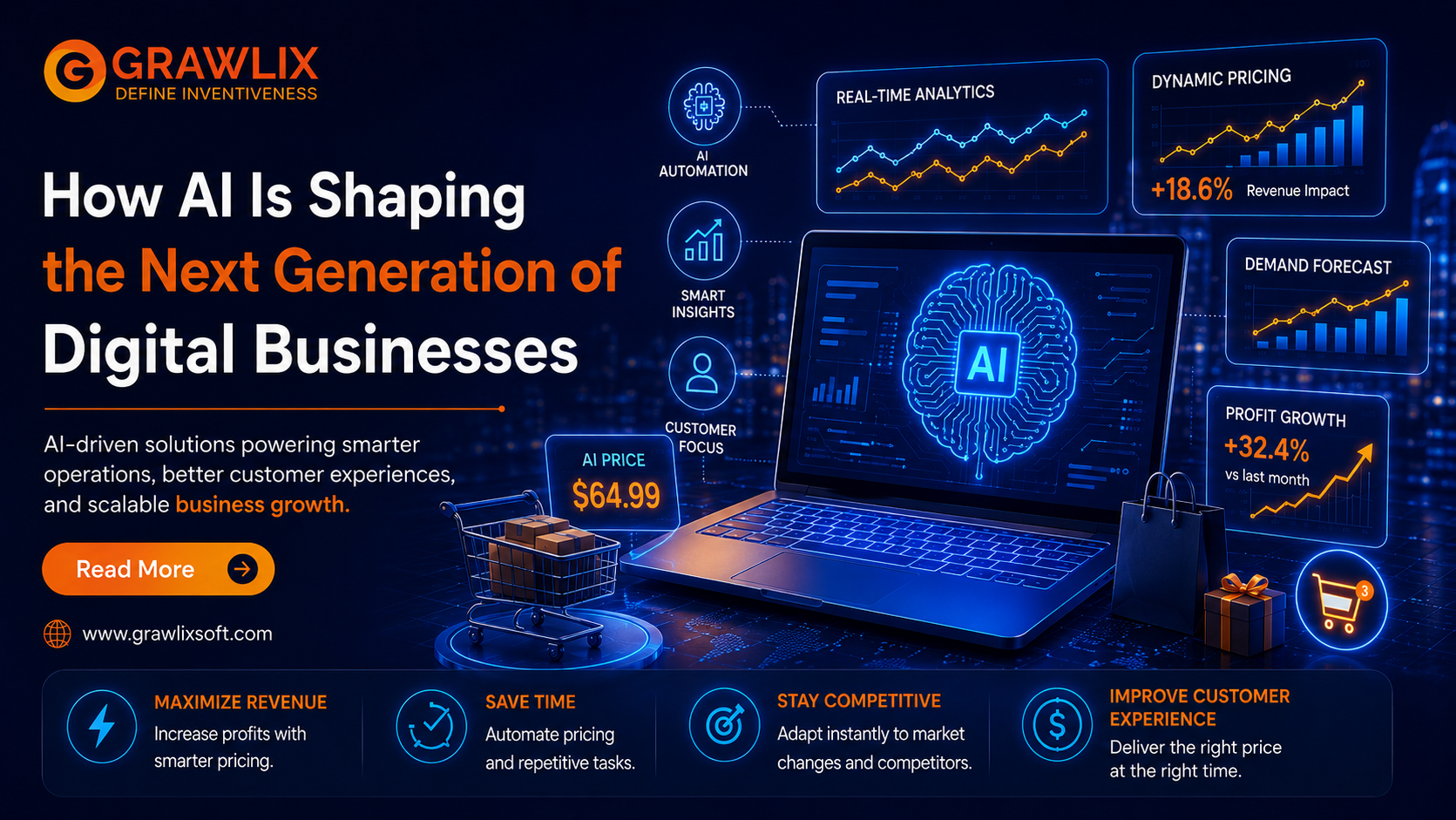
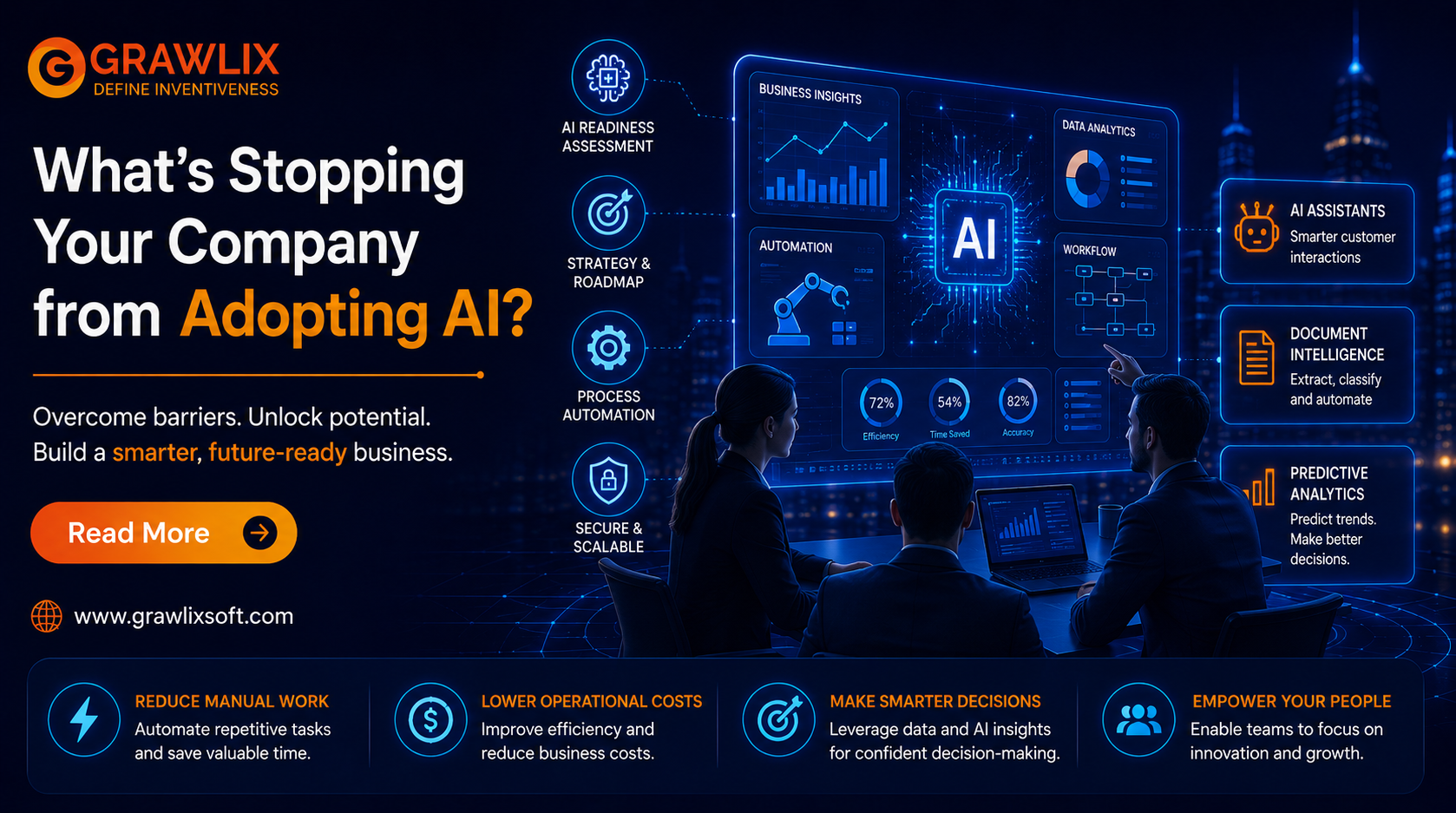
Artificial Intelligence (AI) is transforming how businesses operate, compete, and grow. From automating repetitive tasks to improving customer experiences and enabling smarter decision-making, AI has become a strategic business tool rather than a futuristic concept.

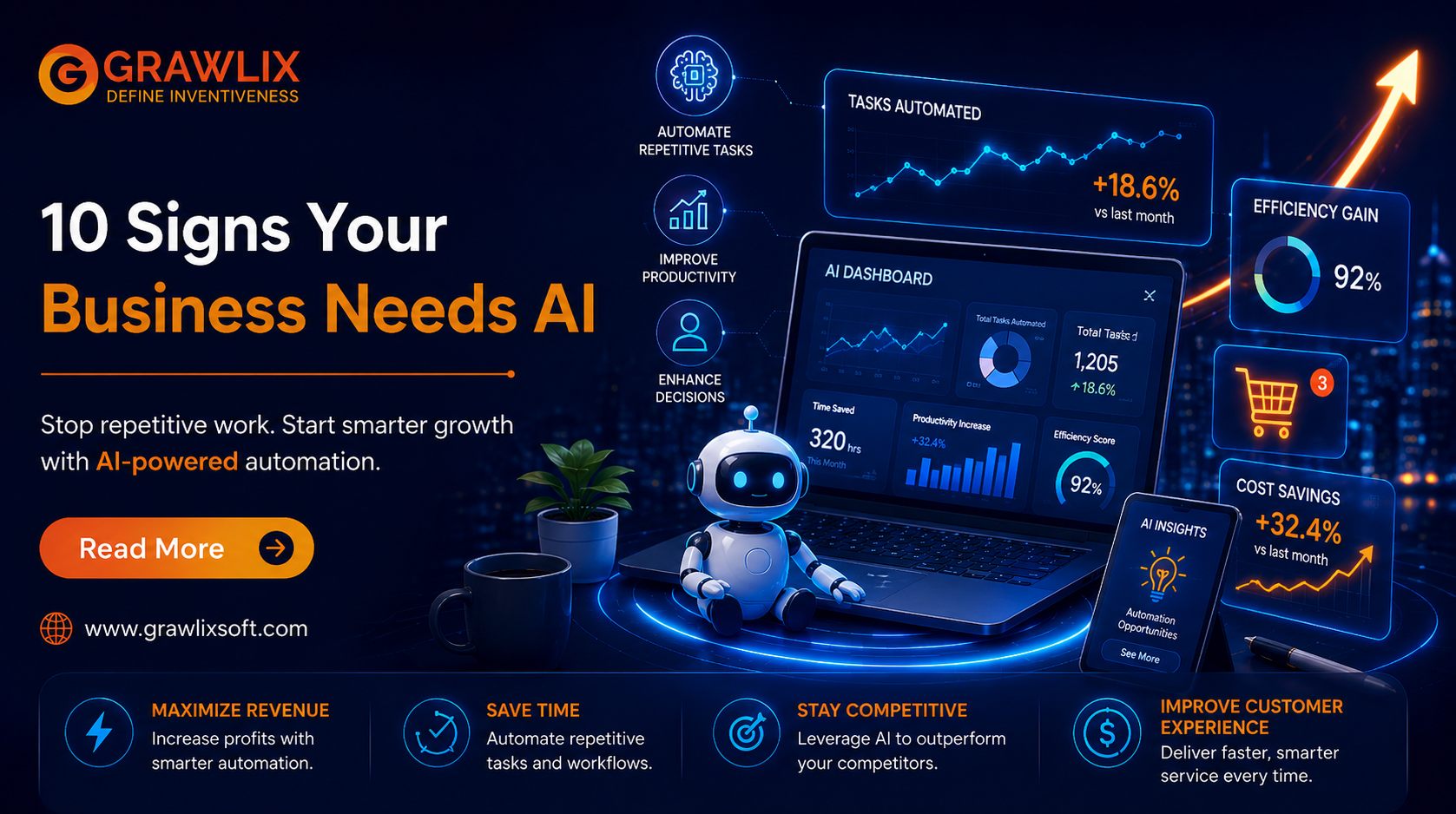
Still doing repetitive work manually? Your team shouldn’t spend valuable hours on tasks that AI can complete in minutes. If your business is constantly fighting inefficiencies, delayed decisions, or rising operational costs, it may be time to embrace AI automation.

In 2026, success requires an integrated approach that combines SEO, GEO, AEO, paid advertising, high-quality content, conversion optimization, analytics, and technology. Businesses that embrace this holistic strategy will be better positioned to build authority, earn customer trust, and outperform competitors in both traditional and AI-powered search.

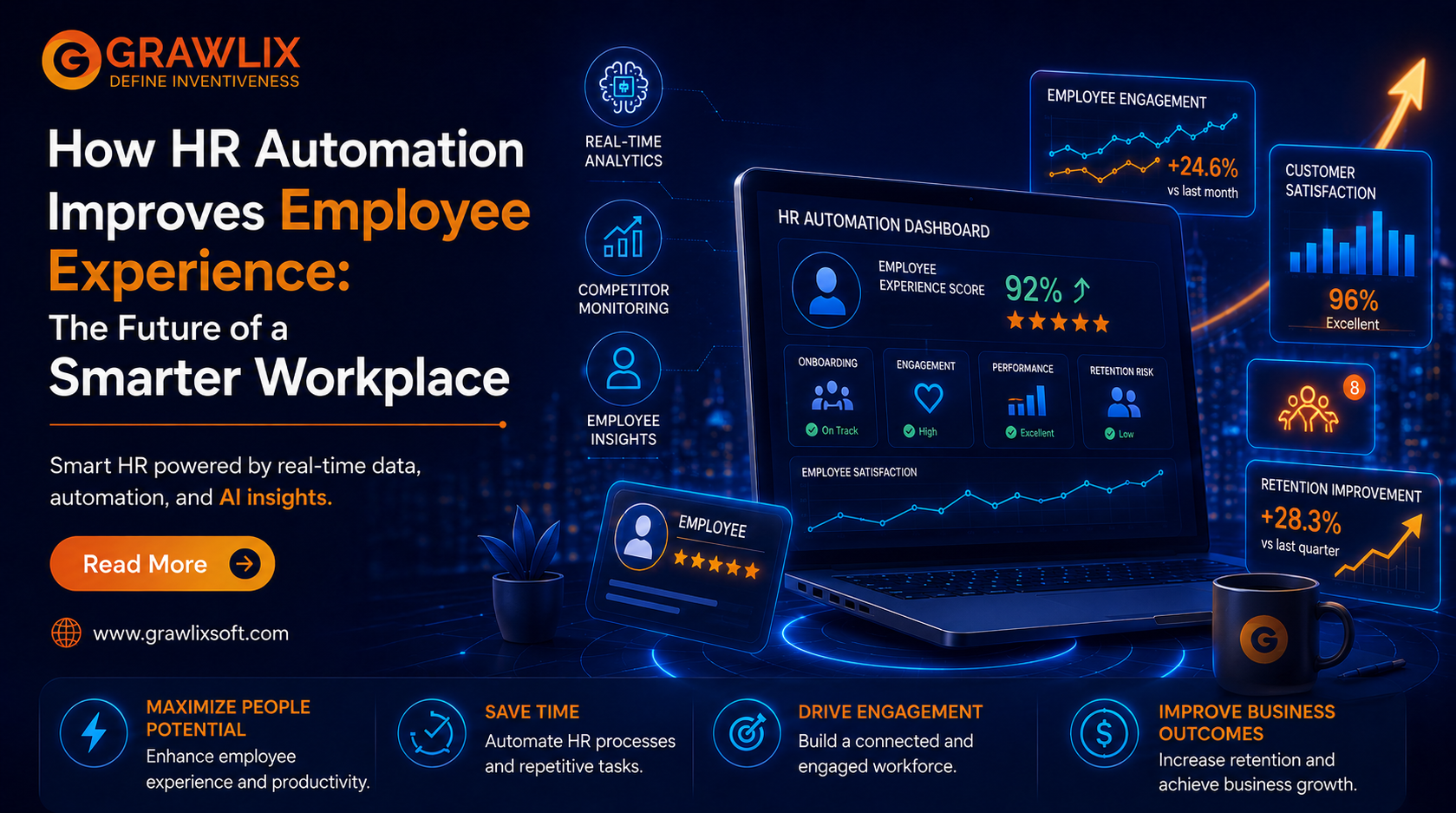
Employee experience has become one of the biggest competitive advantages for modern businesses. Companies no longer compete only through salaries and benefits—they compete by creating workplaces that are efficient, engaging, and employee-friendly.

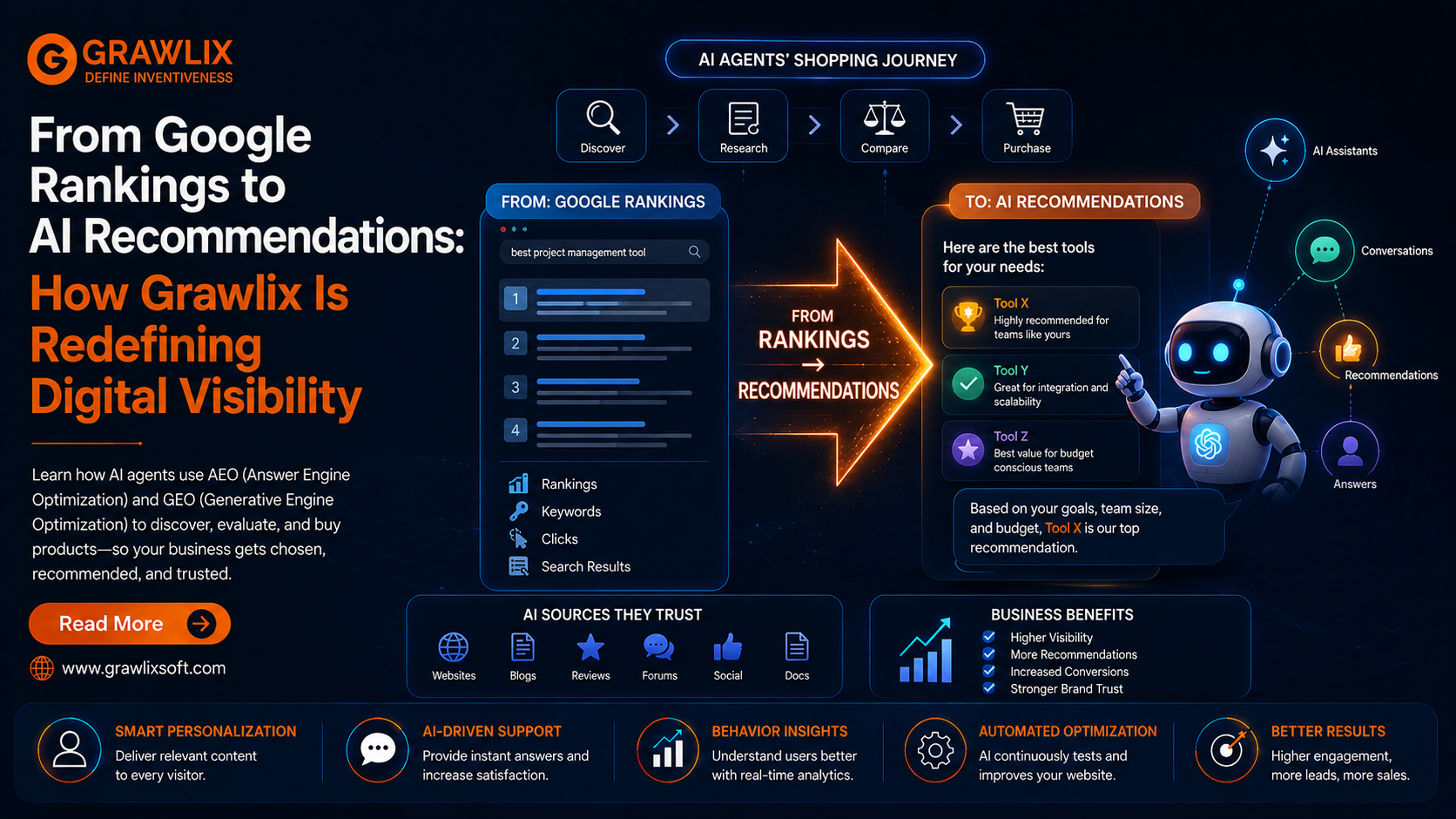
For more than two decades, businesses have competed for visibility on search engines. The objective was straightforward: rank higher on Google, drive more traffic, generate leads, and increase revenue.

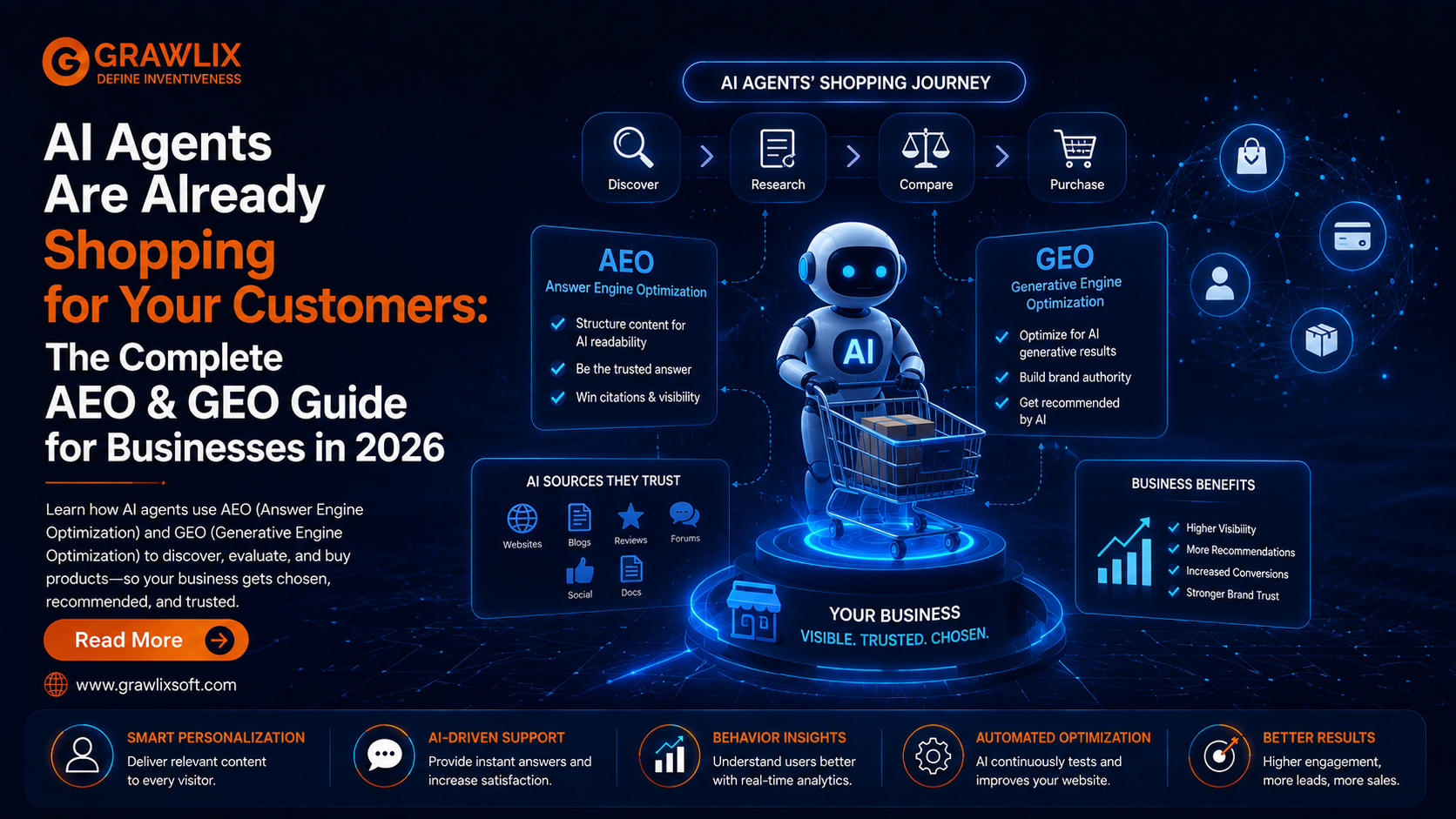
For more than 25 years, businesses have relied on search engines to connect with customers. The formula was relatively simple: build a website, optimize it for search engines, rank on Google, generate traffic, and convert visitors into customers.

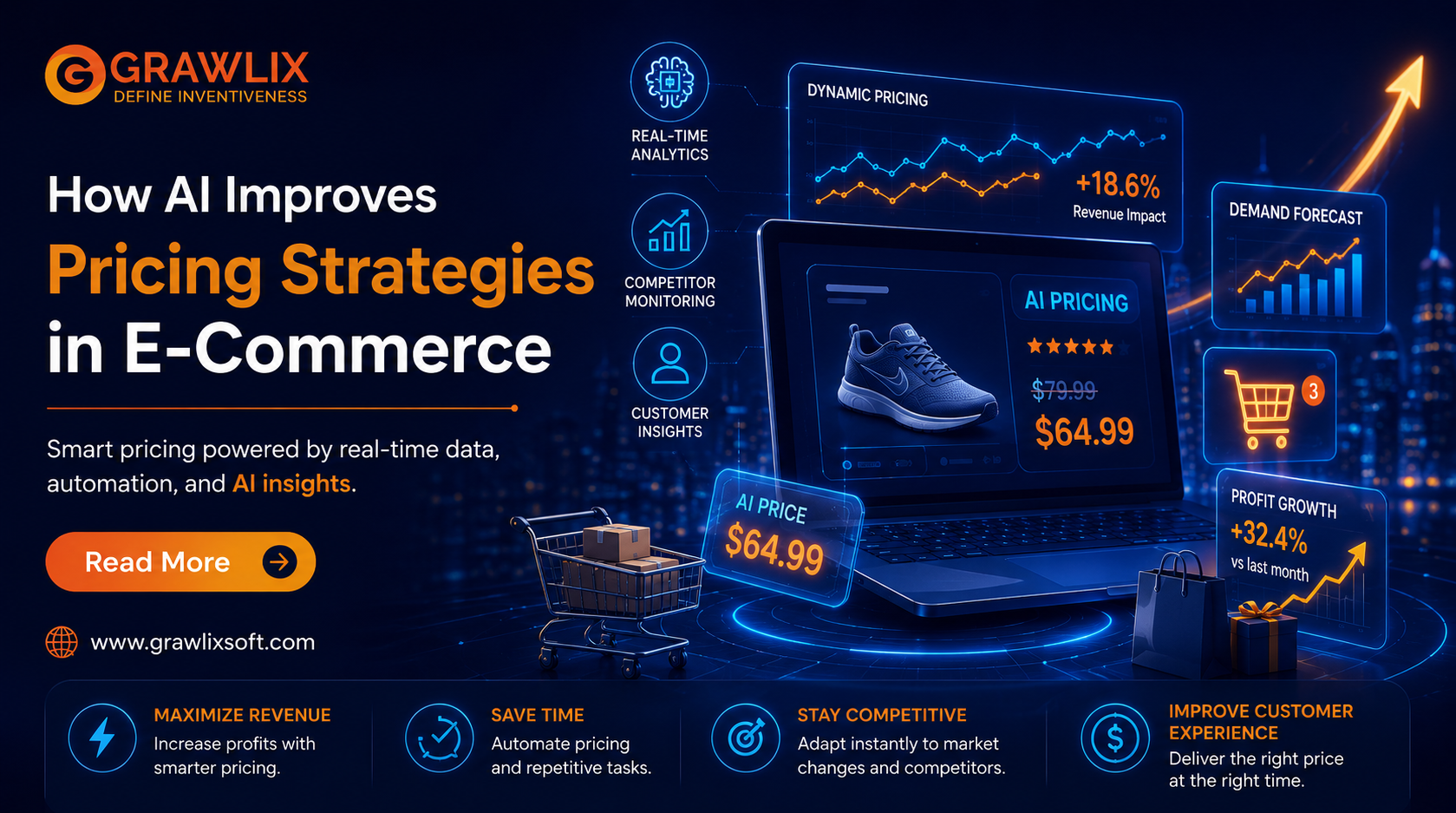
In today’s highly competitive e-commerce landscape, pricing is no longer just about setting a number and hoping customers buy. Consumer behavior changes rapidly, competitors update prices constantly, and market demand fluctuates every hour.

In today’s highly competitive e-commerce landscape, pricing is no longer just about setting a number and hoping customers buy. Consumer behavior changes rapidly, competitors update prices constantly, and market demand fluctuates every hour.

In today’s highly competitive e-commerce landscape, pricing is no longer just about setting a number and hoping customers buy. Consumer behavior changes rapidly, competitors update prices constantly, and market demand fluctuates every hour.

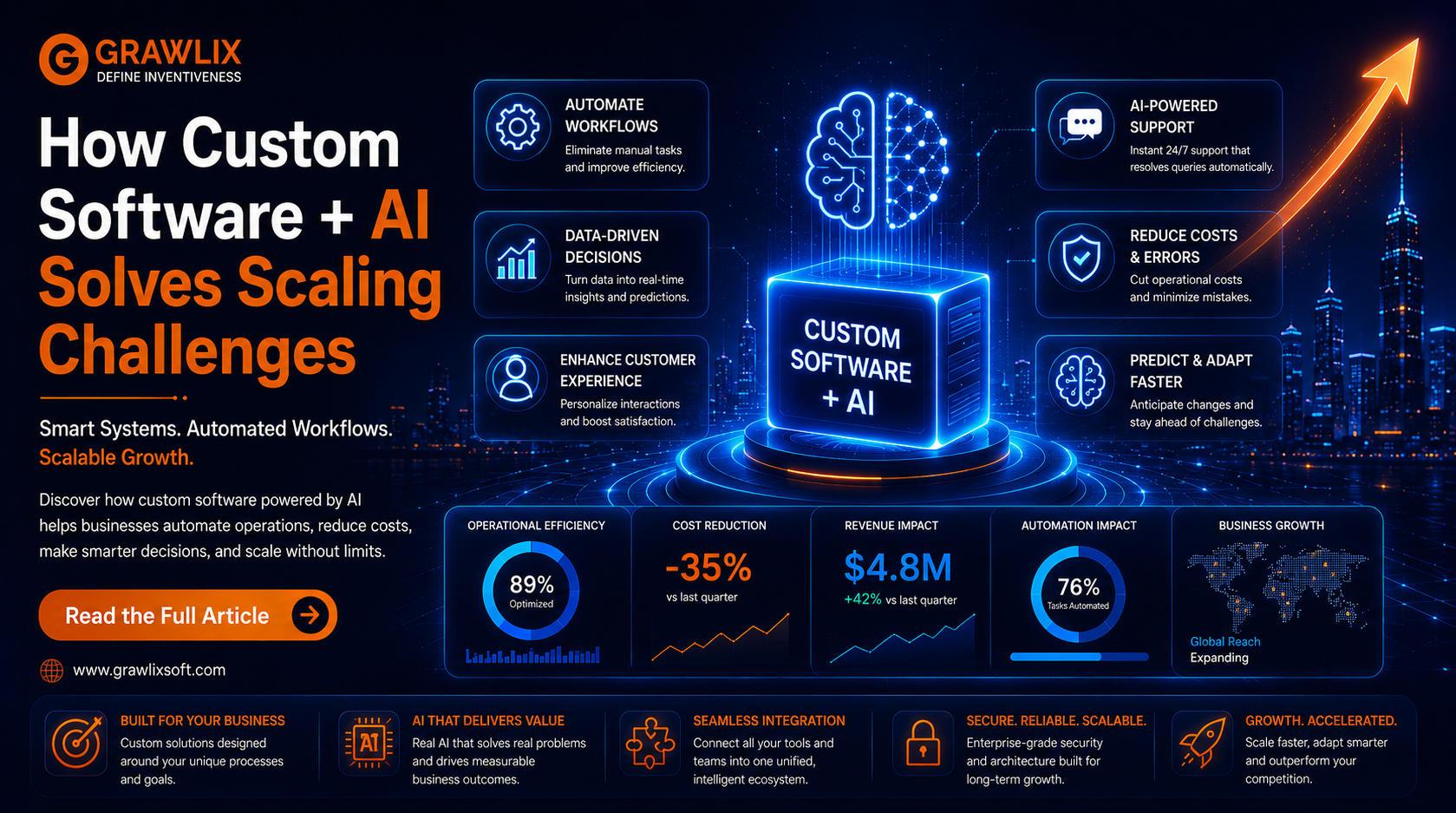
As businesses grow, operations become more complex. What once worked with spreadsheets, manual coordination, and disconnected tools starts slowing teams down.

In today’s digital world, users expect websites to be fast, smart, personalized, and easy to navigate. If a website fails to meet those expectations, visitors leave within seconds. This is where Artificial Intelligence (AI) is transforming the future of web experiences.

For decades, business growth followed a simple formula:
More work = more people.
As demand increased, organizations hired more employees, expanded departments, and accepted rising operational costs as the price of growth.

User-Generated Content (UGC) is no longer just a trust-building asset. It’s now fuel for generative engines like ChatGPT, Gemini, and other AI systems that influence how people discover, evaluate, and interact with brands.